
Ideal for outdoor rooms, bushfire zones & low set decks.
Product Details
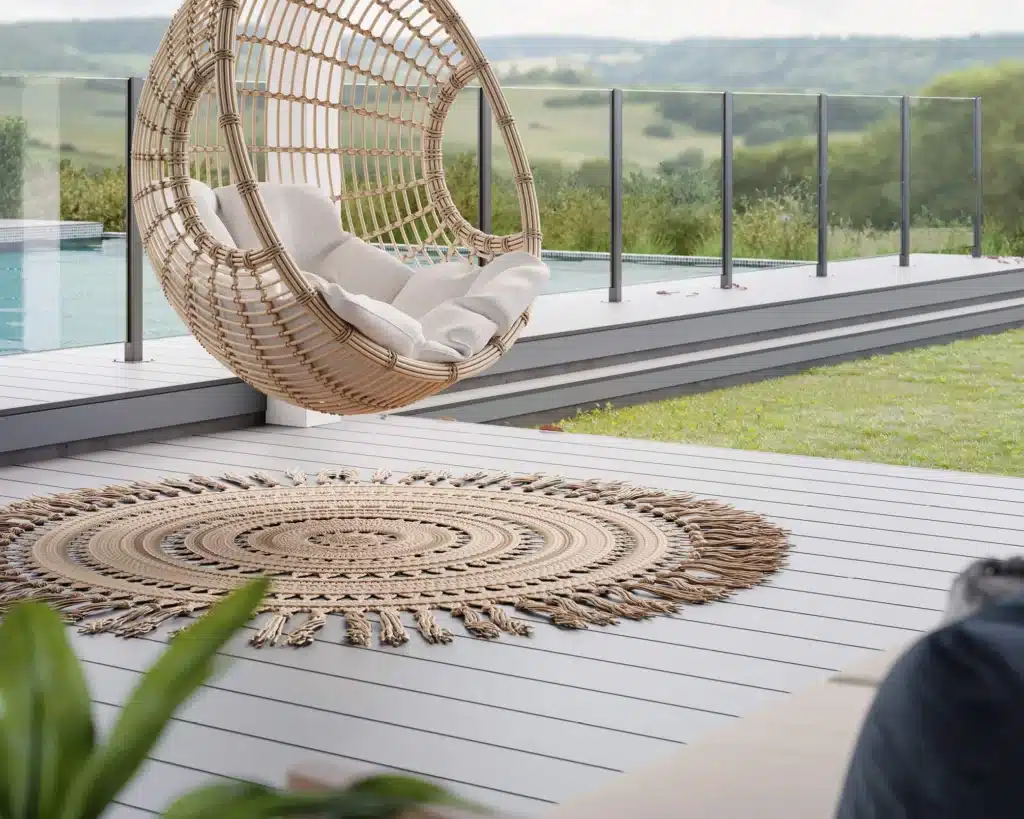
Outdoor rooms are fast becoming a standout feature in Australian homes. Decks, balconies, verandas and patios are being designed and furnished as a stylish place for entertaining all year round. Hardie™ Deck decking is made from James Hardie’s premium fibre cement. It creates a clean look to connect a stylish interior environment with the outdoors, without risking damage from the elements. Smooth, wide boards with clean lines and freedom of colour choice makes th is cement decking a stunning outdoor floor.
The HardieDeck™ system pairs purpose-machined 19mm fibre cement decking boards with a purpose-built aluminium fast-track framework to achieve concealed fixing. The jointing assembly includes an anodised aluminium base jointer fixed to the joists, plus a powder-coated snap-in cover that hides the fasteners and creates a clean, continuous contrasting line between boards.
HardieDeck™ boards must be sealed using a James Hardie–recommended paving sealer and completed within 60 days. In higher-exposure locations—such as pool areas or sites within 1 km of the coast—the coating should be applied within 7 days. Product details and finishing guidance are provided in the HardieDeck™ Sealing Guide.
This Installation and Specification Guide relates to residential deck applications using the HardieDeck™ system.
As with timber decking, HardieDeck™ is not a waterproof solution and should not be used where a fully watertight system is required, as some water will drain through the joints and fixing system.
Adequate cross-flow ventilation beneath the deck is essential for all installations. Poor ventilation may void the HardieDeck™ warranty and could also affect any third-party coating warranty.
Recommended Structures
Hardie™ Deck content you can use (draft, unique wording):
Best for outdoor rooms where timber is a headache: balconies, verandas and low-set decks that need a clean, modern finish and colour flexibility. Hardie™ Deck is a fibre cement alternative to timber that avoids splinters and helps reduce common timber issues like moisture damage and termite attack. It’s also deemed non-combustible and commonly specified for bushfire-prone builds (including BAL-FZ applications when designed correctly).
Key benefits:
- Low-maintenance alternative to timber; solid, smooth underfoot and splinter-free.
- Resistant to rot, moisture damage and termites.
- Fire resistant and positioned for bushfire zone projects (BAL-FZ).
- Concealed fixing system that improves drainage/ventilation appearance.
- Can be used for pool surrounds and coastal areas with the right fasteners and coating timing.
What to consider:
- The system requires a compatible exterior trafficable coating/sealer.
- Subfloor ventilation and drainage must be designed correctly (critical for low-set decks).
Design & Finish Options (HardieDeck™)
Design & Finish Options
HardieDeck™ is designed as a finished decking surface, but it must be sealed with an exterior, trafficable coating system to protect the boards and deliver the final look. The system also supports clean perimeter detailing (caps or drip mould) and feature layouts such as chevron, herringbone, and chequerboard.
Coatings & Maintenance
HardieDeck™ boards must be sealed with a James Hardie™-recommended exterior, trafficable paving sealer/finish within 60 days, following the coating manufacturer’s instructions. For installations around pools and within 1 km of coastal areas, apply the coating within 7 days.
What to do
• Use a compatible exterior trafficable finish (paving sealer/trafficable coating) and follow the coating manufacturer’s surface prep and application steps.
• Ensure edges and cut ends are sealed/finished as part of the coating process.
• Complete coating before installing the Snap-In Top Strip, and allow the coating to fully dry.
• Maintain the surface with regular cleaning appropriate to the exposure level (see “Care notes” below).
What not to do
• Do not acid-etch the boards (acid etching can damage the surface and leave a rough finish).
• Do not paint over the snap-in cover strips during recoating (paint may not be compatible with the powder-coated finish). Mask them off, or remove/replace them after repainting if required.
Edge & Perimeter Options
A clean perimeter finish improves durability, appearance, and water management at the deck edges. The HardieDeck™ guide outlines multiple perimeter detailing approaches, including edge caps (with fascia) and a drip mould option.
Option 1: Slimline Edge Cap + fascia
A neat, minimal perimeter edge using a slimline cap and fascia board. Allow approximately 30 mm board overhang to accommodate the cap detail. Fix edge capping at 450 mm centres around the perimeter.
Option 2: Fascia Edge Cap + fascia
A more pronounced edge cap profile paired with a fascia board. Allow approximately 30 mm board overhang to accommodate the cap detail. Fix edge capping at 450 mm centres around the perimeter.
Option 3: Aluminium drip mould (water-shedding detail)
A drip mould perimeter detail using a 15×15 mm aluminium drip mould (supplied by others). The guide indicates fixing at 200 mm centres (fastener class to suit exposure; use corrosion-resistant fasteners for coastal/pool environments).
Pattern Ideas (Chevron / Herringbone / Chequerboard)
HardieDeck™ can be laid in custom designs by alternating board orientation. Patterned decks are an easy way to elevate a project visually, especially for balconies, courtyards, and feature zones.
Chevron
A bold “V” pattern that creates strong direction and movement. Best used as a full-field statement or as a feature panel framed by a simple border.
Herringbone
A classic interlocking layout that reads premium and architectural. Works well for smaller decks and entry zones where pattern detail is visible.
Chequerboard
A panelled “grid” effect created by alternating direction and/or board widths. This layout suits modern courtyards and adds structure to larger areas.
Design tip
The 296 mm HardieDeck™ Finishing Board is wider than the standard board and can be used as feature bands, borders, or to build contrast within patterned layouts.
Care Notes (Furniture Protection + Recoating)
Furniture protection
• Use protective mats or furniture pads under chairs, tables, BBQs, and planter stands to reduce abrasion and point loading.
• Avoid dragging heavy items across the surface—lift and place where possible.
Cleaning (guide-based frequency by exposure)
• Rural/typical urban: clean every 6–12 months.
• Coastal / pool surrounds: clean every 1–3 months.
• Harsh beachfront/severe marine / industrial pollution: clean monthly (or more often as required).
Regular dry sweeping helps remove grit that can scratch or wear the coating prematurely.
Recoating approach
• Clean and prepare the surface as required by the coating manufacturer before recoating.
• Do not paint the snap-in cover strips. Mask them off, or remove and replace them after repainting if needed (strips can be purchased separately).
View the rest of our Range of Fibre cement
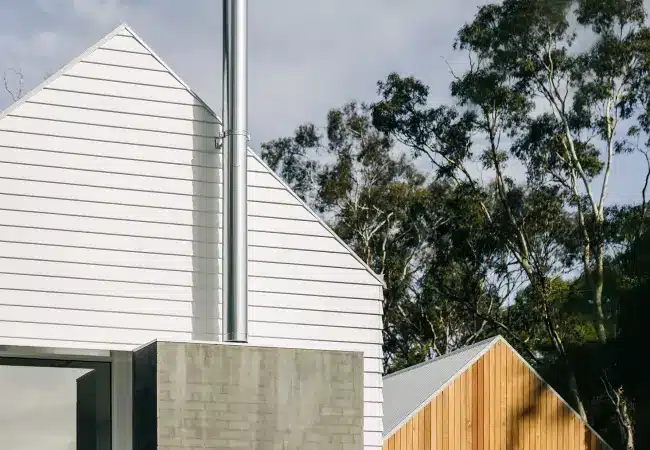
Hardie™ Fine Texture Cladding
The beauty of clean lines and a modern look

ExoTec Façade™ Panel and System
The beauty of clean lines and a modern look

Axon™ Cladding
Bring drama and detail to your walls with vertical lines.
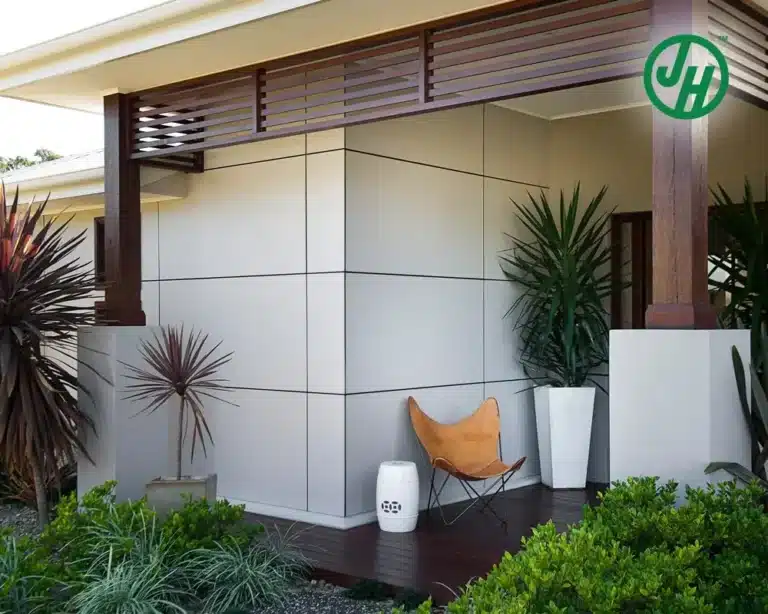
Matrix™ Cladding
Create your own clean contemporary look.
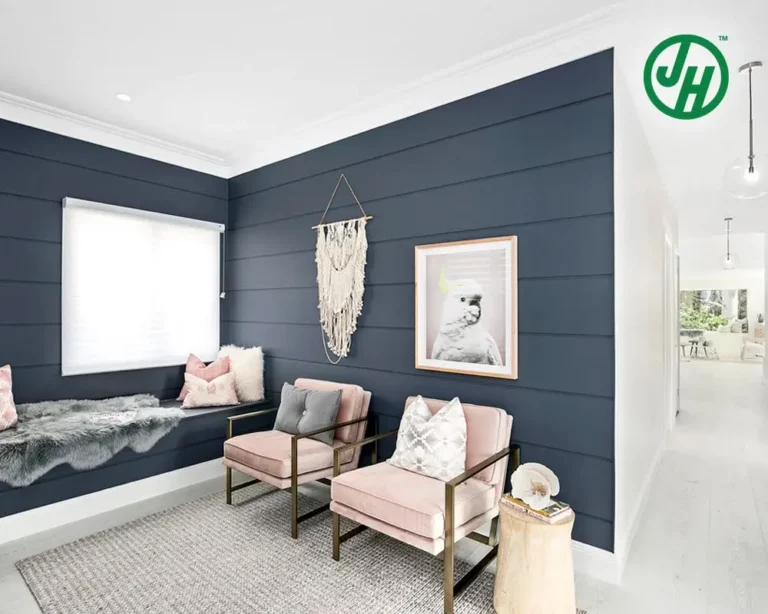
Stria™ Cladding
Clean lines to suit modern designs.
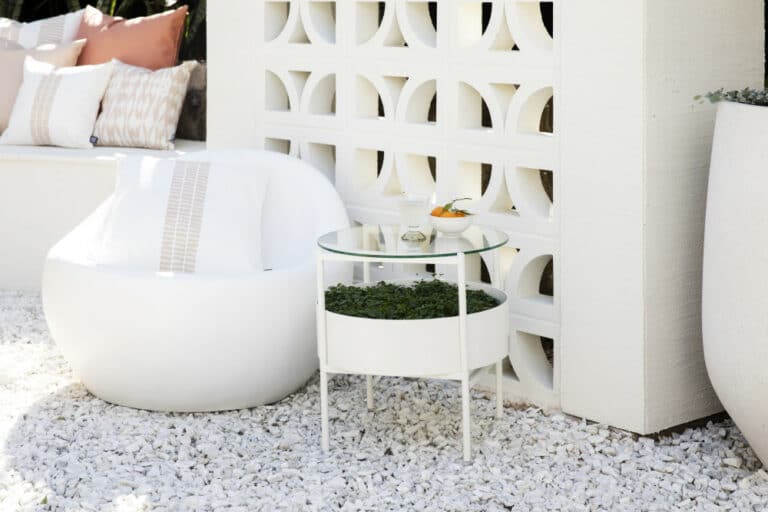
Hardie™ Tex Base Sheet
The original blue board for fibre cement rendered walls.

Linea™ Weatherboard
The original blue board for fibre cement rendered walls.
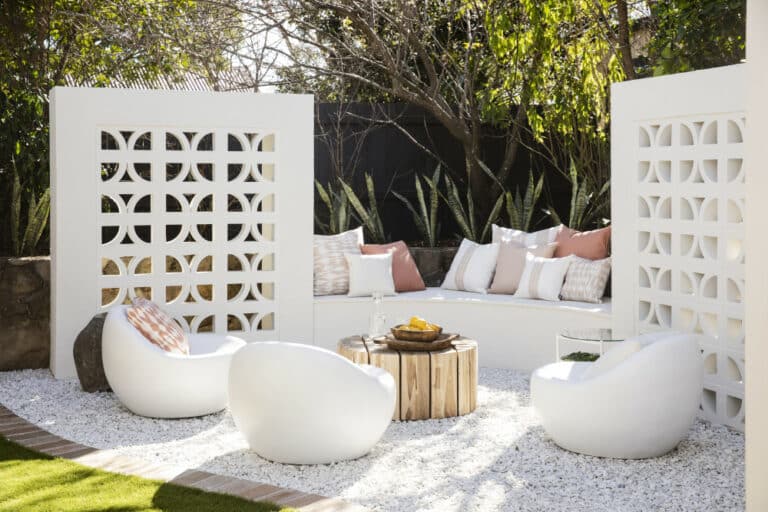
Hardie™ Panel Compressed Sheet
Compressed Fibre Cement structural floor substrate.

Hardie™ Groove Lining
The durable and elegant vertical joint (VJ) sheet panels.
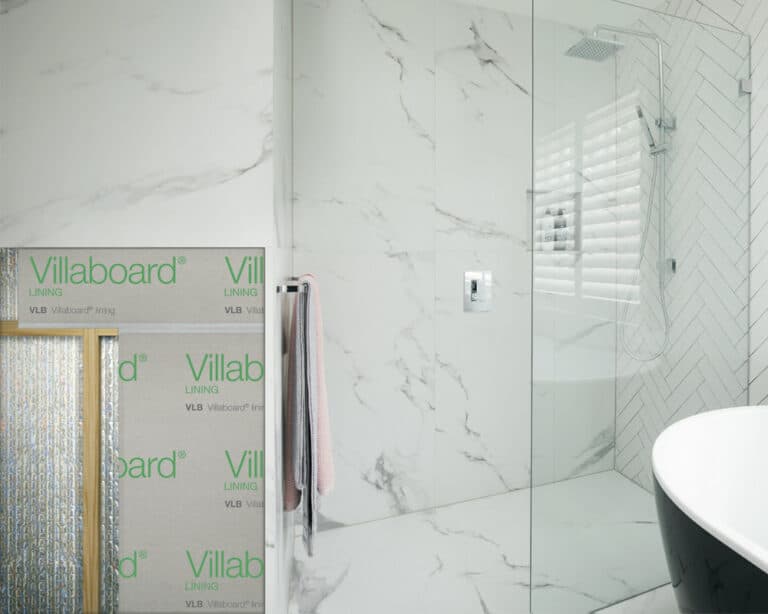
Villaboard™ Lining
The standard in bathroom wall sheeting for 50 years.
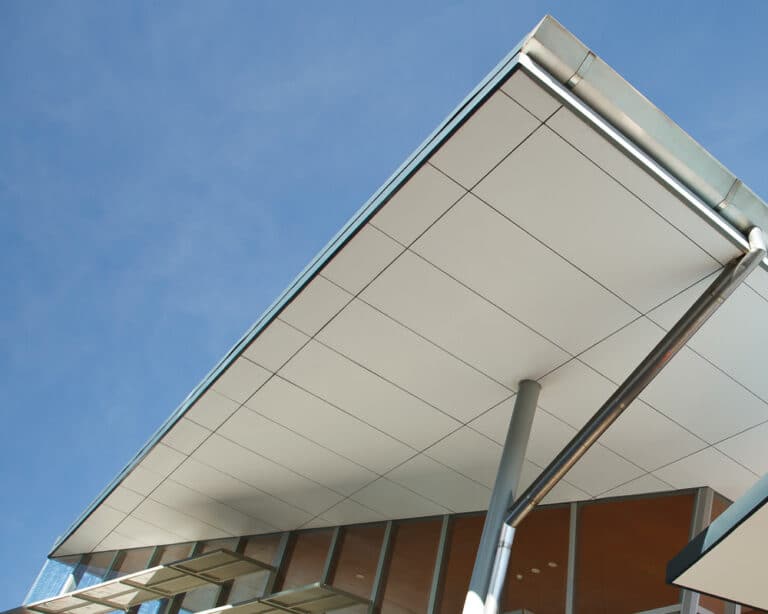
Hardie™ Versilux™ Lining
A square edge sheet ideal for geometric designed soffits.
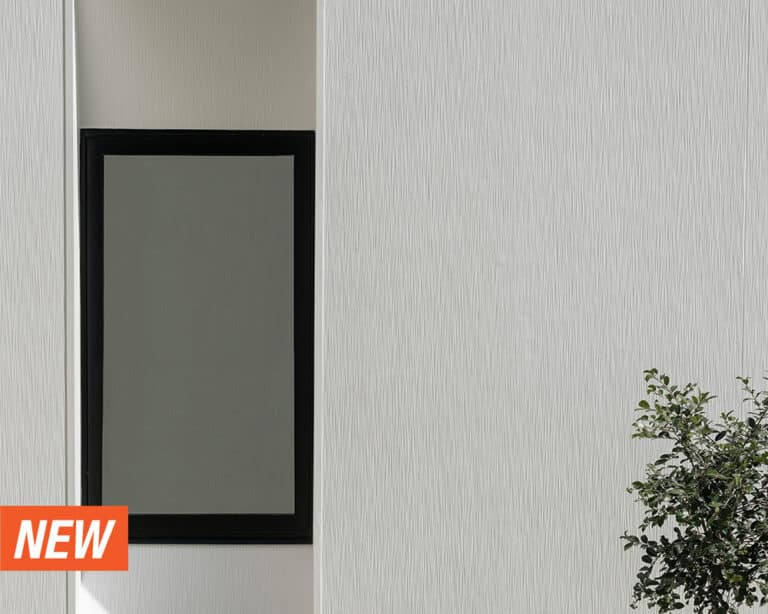
Hardie™ Brushed Concrete Cladding
The beauty of clean lines and a modern look
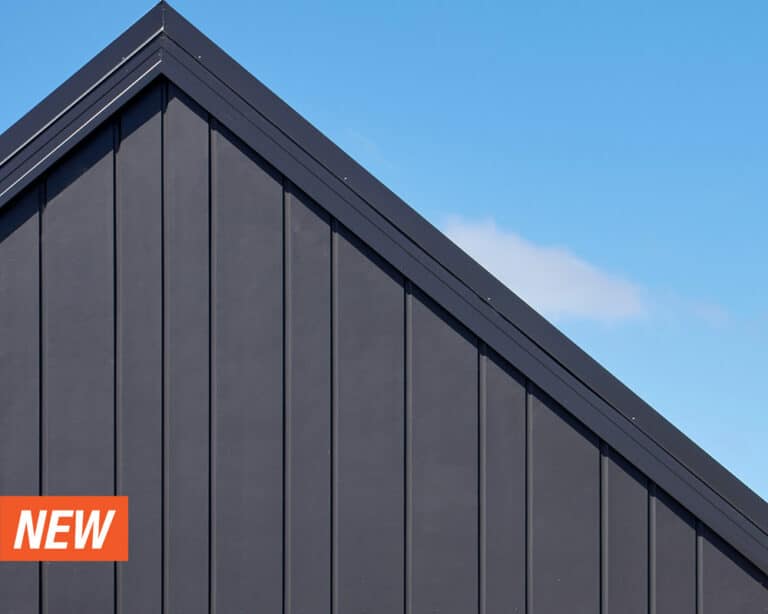
Hardie™ Oblique™ Cladding
The beauty of clean lines and a modern look
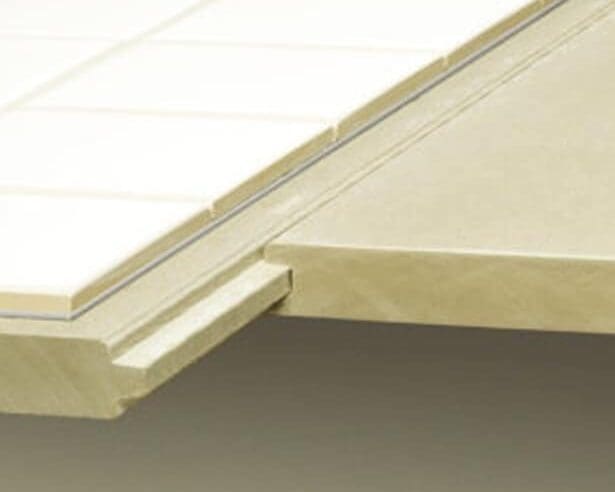
Hardie™ Secura™ Interior Flooring
Compressed Fibre Cement structural floor substrate.
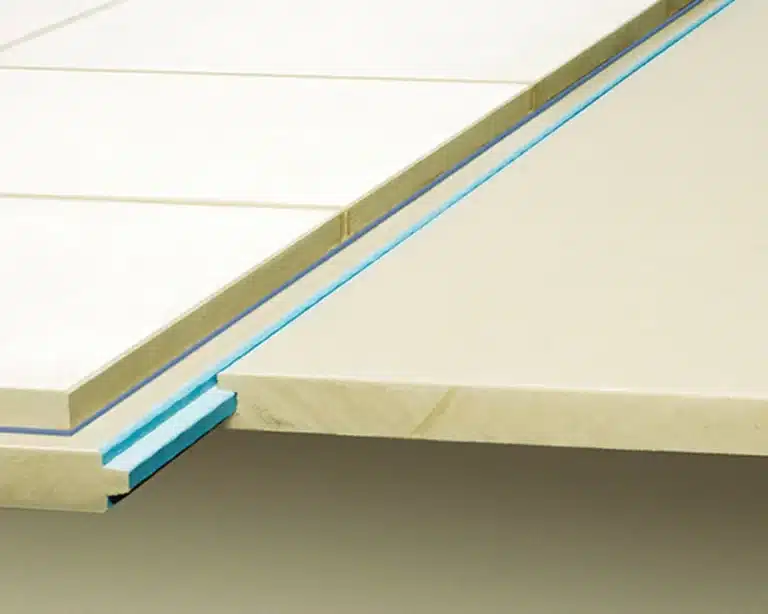
Secura™ Exterior Flooring
Compressed Fibre Cement structural floor substrate.

EasyLap™ Panel
The beauty of clean lines and a modern look
Hardie™ Flex Sheet
The beauty of clean lines and a modern look
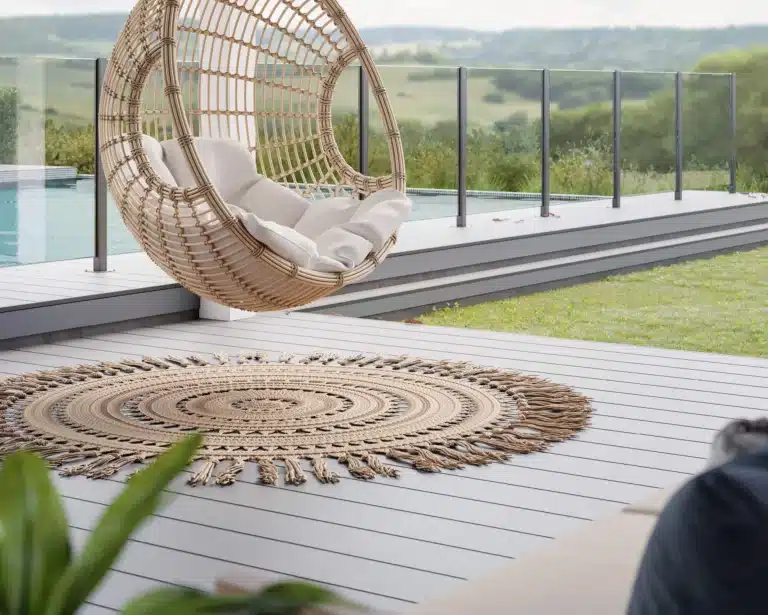
Hardie™ Deck
The beauty of clean lines and a modern look
Other Products

View the rest of our Range of plasterboards
Gyprock PLUS ™
Standard plasterboard doesn’t get better than this – ideal for use on walls and ceilings in residential environments, Gyprock Plus features Optimised Core technology, making it stronger and lighter with significantly improved board handling.
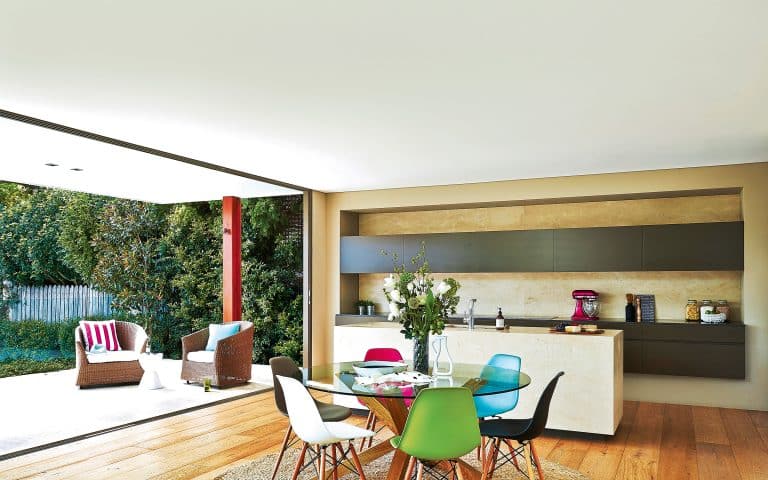
SUPACEIL™
Gyprock Supaceil stands above the rest when it comes to plasterboard in ceilings. Optimised Core technology provides significantly improved strength, handling, and performance in this lightweight 10mm thick plasterboard.
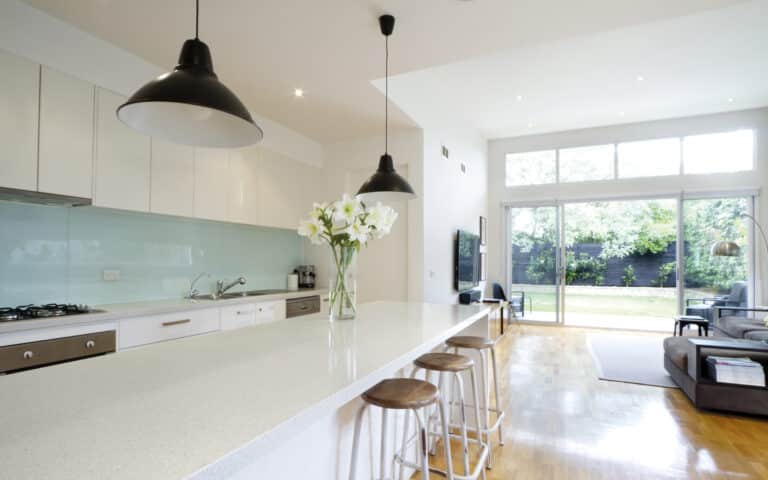
Sensitive
Make a healthy choice with Gyprock Sensitive. This moisture resistant wall and ceiling plasterboard contains powerful antifungal properties to resist mould and mildew making it the ideal choice for wet areas and the homes of asthma and allergy sufferers.
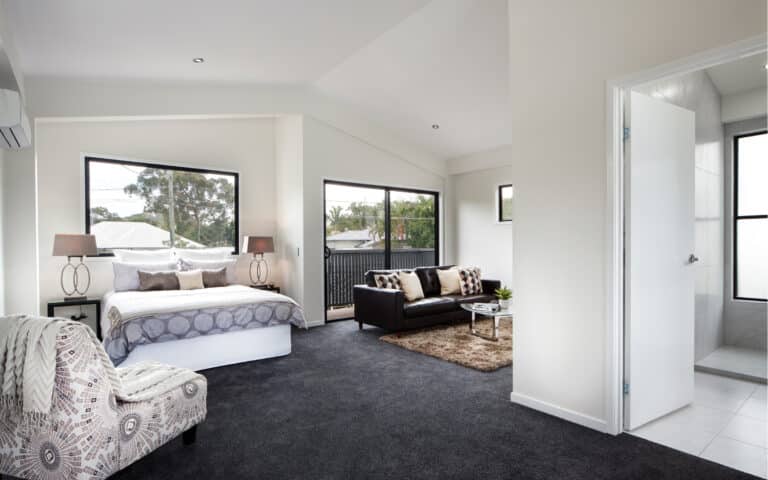
Soundchek ™
Gyprock Soundchek provides sound control worth shouting about. This high density gypsum plasterboard has improved sound transmission properties to help maintain the peace when used in residential and commercial walls and ceilings.
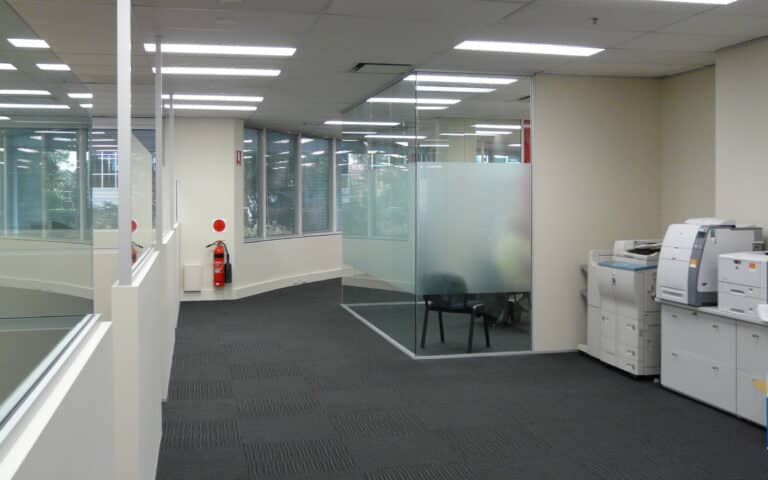
Standard 13mm
This board sets the Standard for commercial applications. Gyprock Standard 13mm works as a general internal wall and ceiling lining in a huge range of commercial applications.
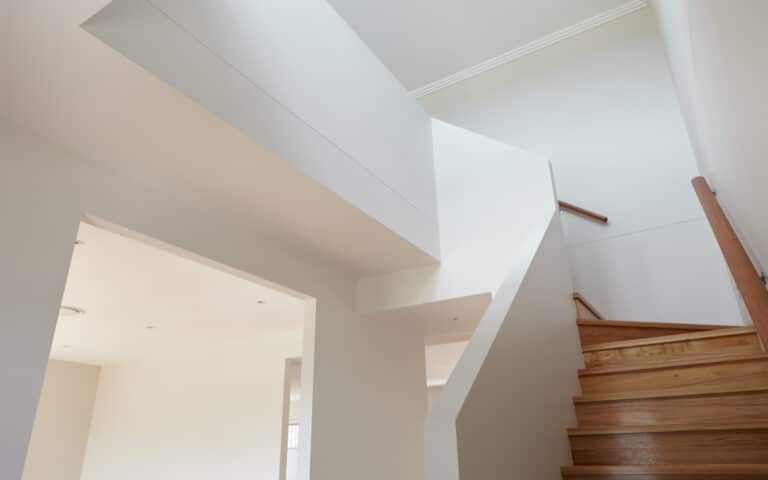
Impactchek ™
Bustling household or commercial environment? Gyprock Impactchek is a high-strength 13mm thick plasterboard with a reinforced core that is an ideal wall lining for high impact areas.
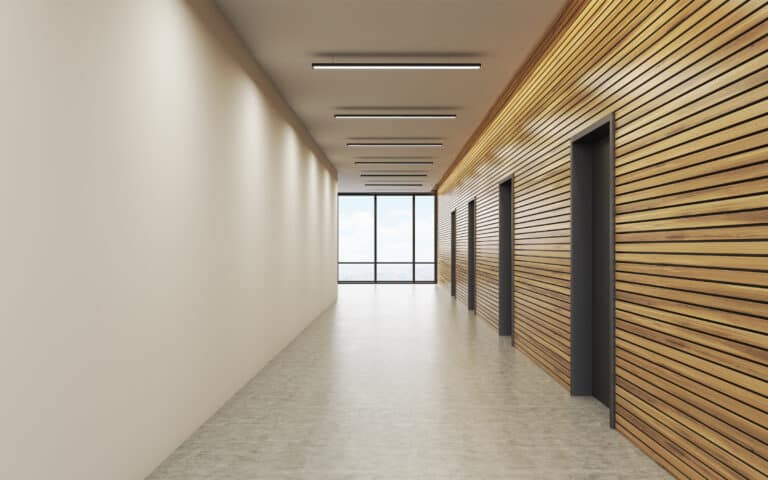
Fyrchek™
Gyprock Fyrchek has been developed to take the heat. Fyrchek’s specially processed glass fibre-reinforced gypsum core makes it ideal for use in fire rated wall and ceiling systems and where improved acoustic performance is required.
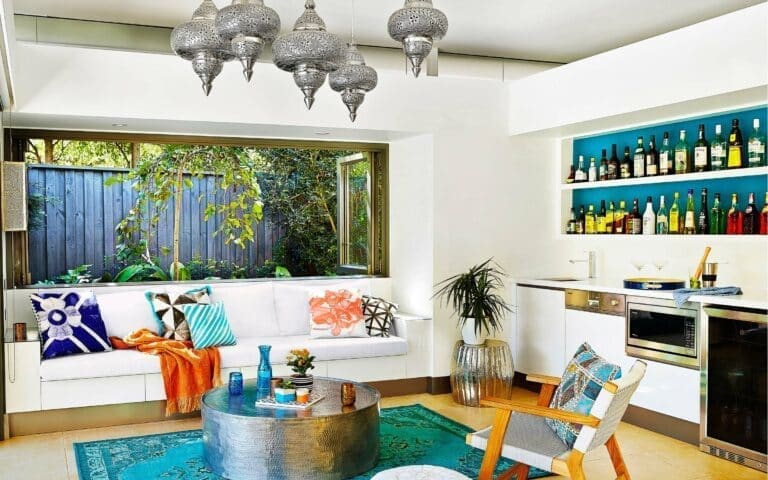
Fyrchek™* MR
Gyprock Fyrchek MR combines a fire and acoustic grade board with additional moisture resistance to create the ideal lining for fire rated wall and ceiling systems in wet areas.

ECO8™ Extreme
For internal linings where the highest impact resistance is critical in a multi-attribute board, such as Health Care projects especially Mental Health Facilities, as well as Correctional Facilities, Sporting Facilities, Schools and Hotels.
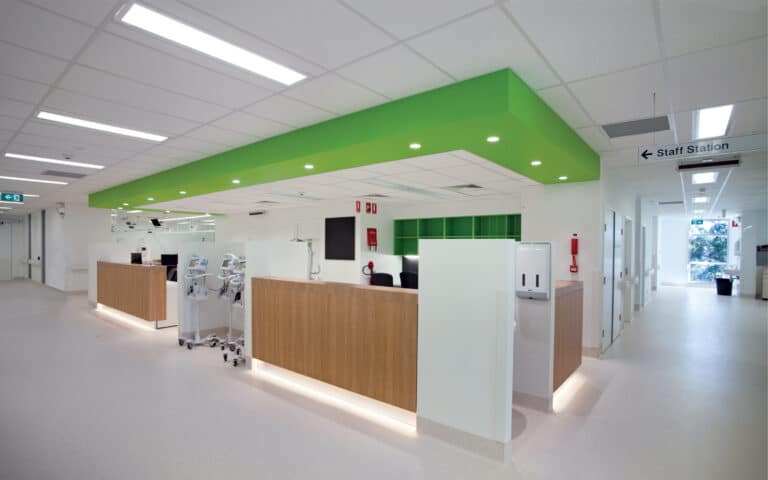
ECO8™ Complete
Complete by name and Complete by nature: for commercial environments, this ultimate plasterboard is specifically engineered to meet the highest standards across a broad range of performance requirements.
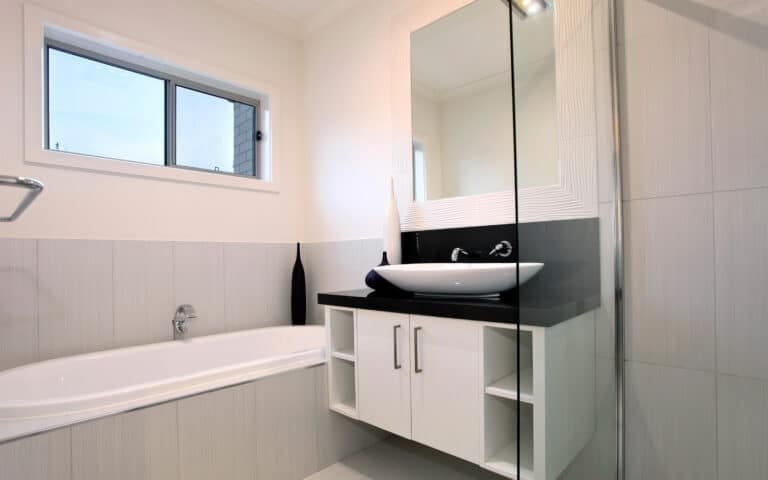
Aquachek™
The blue board for wet areas — moisture-resistant plasterboard for residential and commercial bathrooms, laundries, and soffits that meets BCA […]
Shaft Liner MP
Gyprock Shaft Liner MP provides enhanced protection against mould growth for extra peace of mind during the early stages of construction.
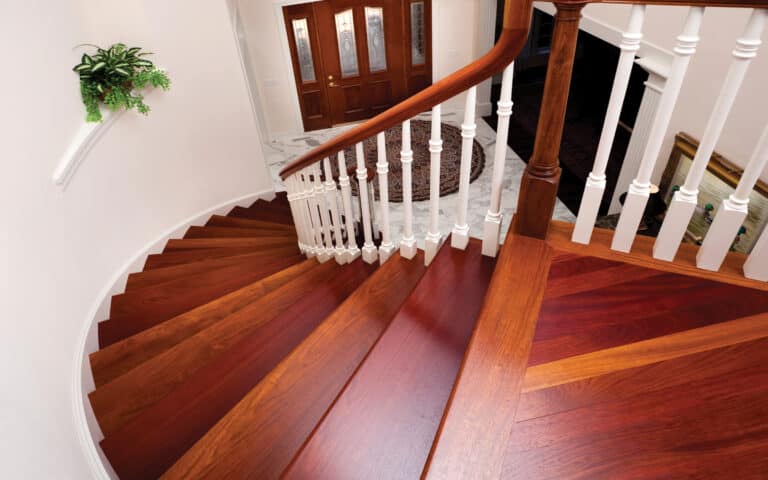
Flexible
Designed to impress, Gyprock Flexible 6.5mm plasterboard enables specifiers, designers and installers to easily create curved walls and ceilings and add visual interest to a space.
Perforated Board and Accessories
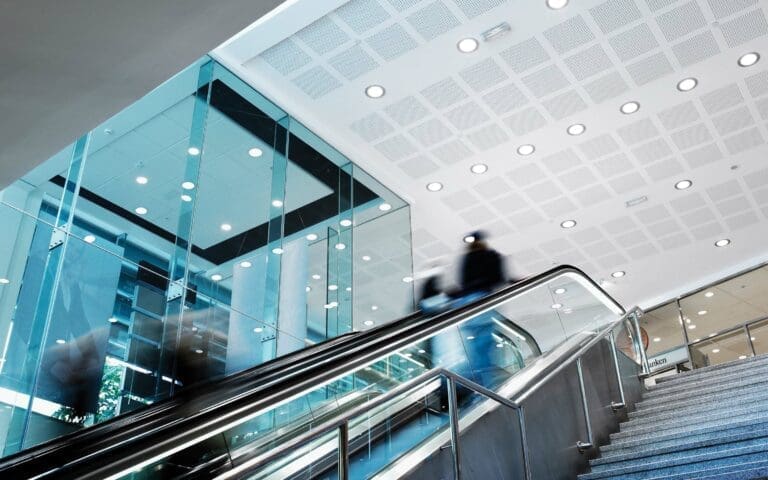
Gyptone ™ 12mm Square
Enhanced acoustics and style are the hallmarks of Gyptone 12mm Square perforated plasterboard. This superior acoustic solution delivers a grid-format geometric effect plus enhanced air quality thanks to patented Activ’Air technology.
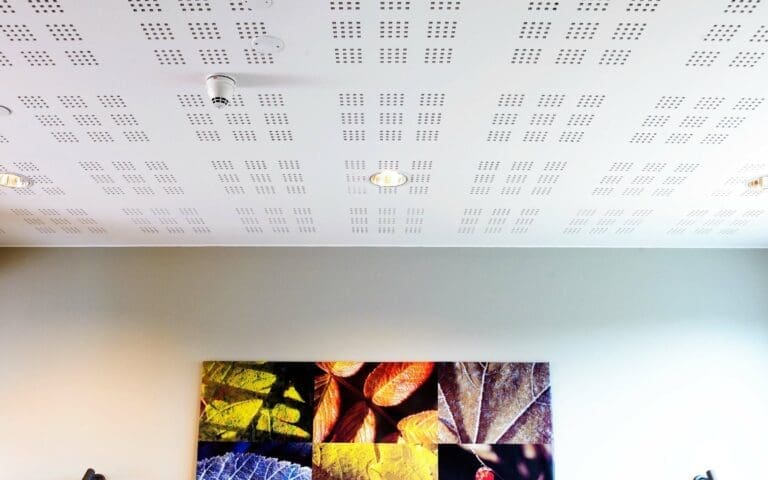
Gyptone ™ 12mm Square Minigrid
Superior acoustics and subtle style make Gyptone 12mm Square Minigrid an intelligent choice to help control reverberation in public spaces with the added benefit of enhanced air quality with patented Activ’Air technology.
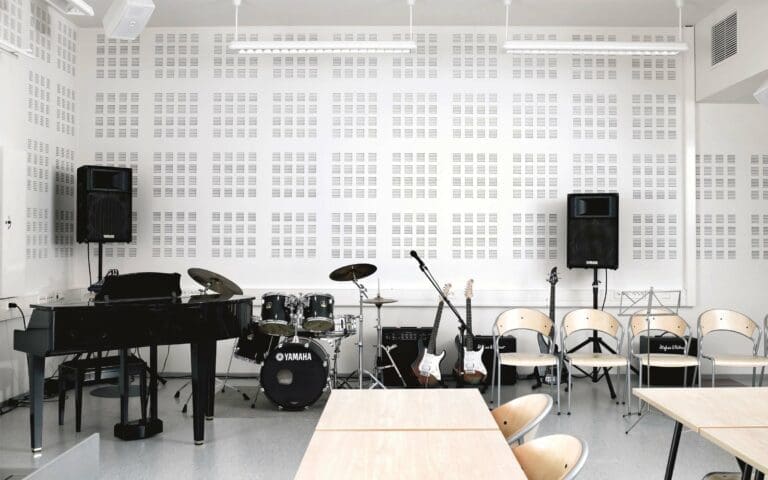
Gyptone ™ Slotted Minigrid
Achieve impressive acoustic control with Gyptone Slotted Minigrid. Combining a modern geometric pattern with a 13% open area, Gyptone Slotted Minigrid provides impressive levels of sound attenuation to match its good looks.
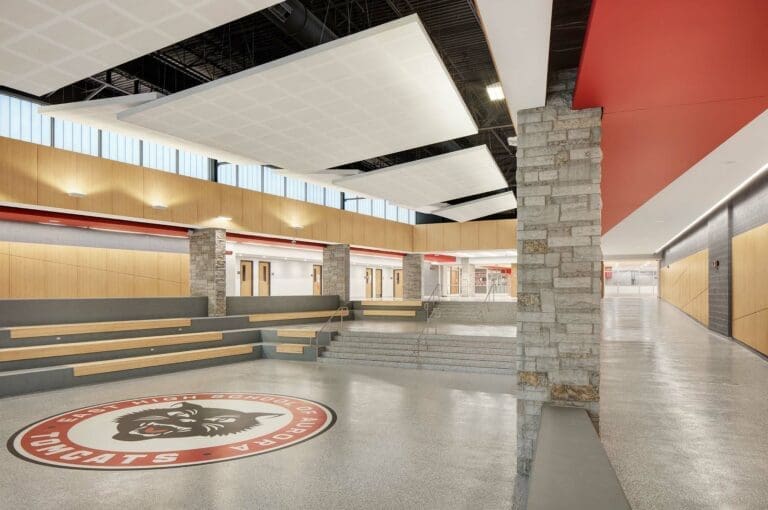
Gyptone™ 12mm Hexagon
Enhanced acoustics and style are the hallmarks of Gyptone 12mm Hexagon perforated plasterboard. This superior acoustic solution delivers a grid-format geometric effect plus enhanced air quality thanks to patented Activ’Air technology.
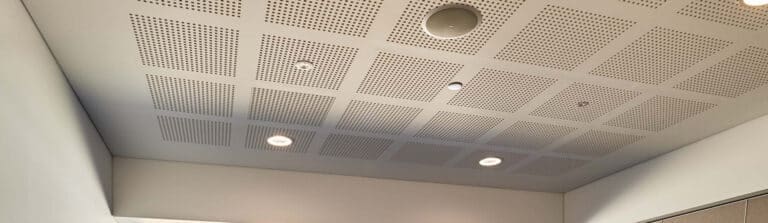
Gyptone™ 12mm Hexagon Longboard
Superior acoustics and subtle style make Gyptone 12mm Hexagon Longboard an intelligent choice to help control reverberation in public spaces with the added benefit of enhanced air quality with patented Activ’Air technology.
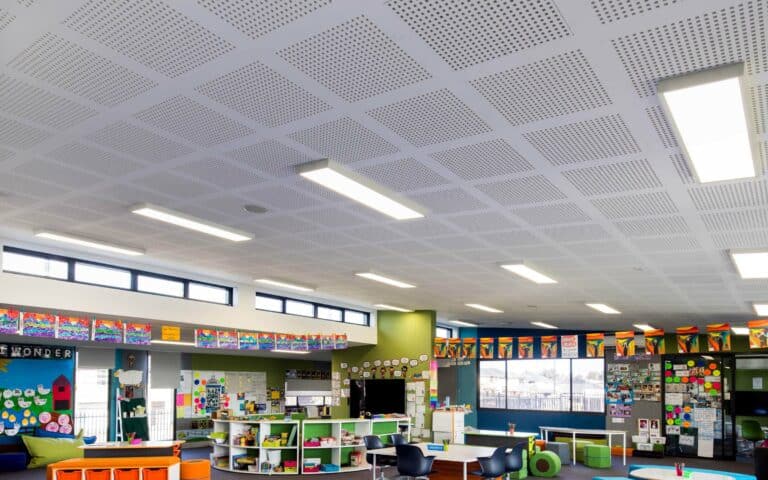
Gyptone™ 12mm Square Longboard
Superior acoustics and subtle style make Gyptone 12mm Square Longboard an intelligent choice to help control reverberation in public spaces with the added benefit of enhanced air quality with patented Activ’Air technology.
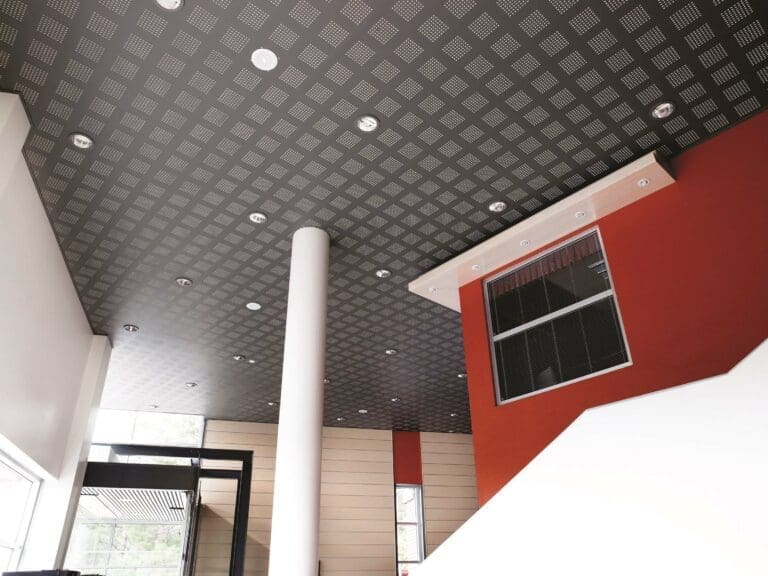
Gyptone™ 12mm Square Grid
Superior acoustics and subtle style make Gyptone 12mm Square Grid an intelligent choice to help control reverberation in public spaces with the added benefit of enhanced air quality with patented Activ’Air technology.
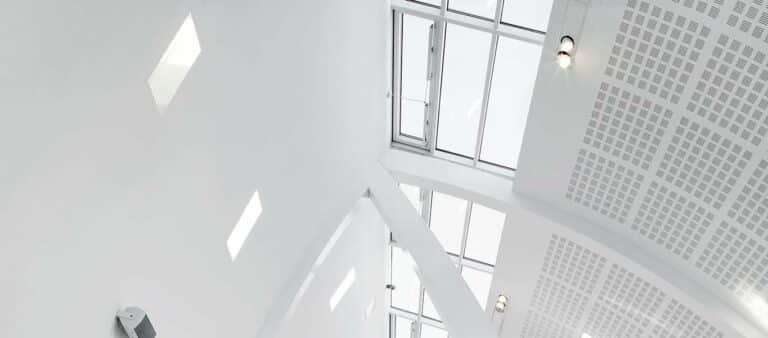
Gyptone ™ Slotted Longboard
Superior acoustics and subtle style make Gyptone Slotted Longboard an intelligent choice to help control reverberation in public spaces with the added benefit of enhanced air quality with patented Activ’Air technology.
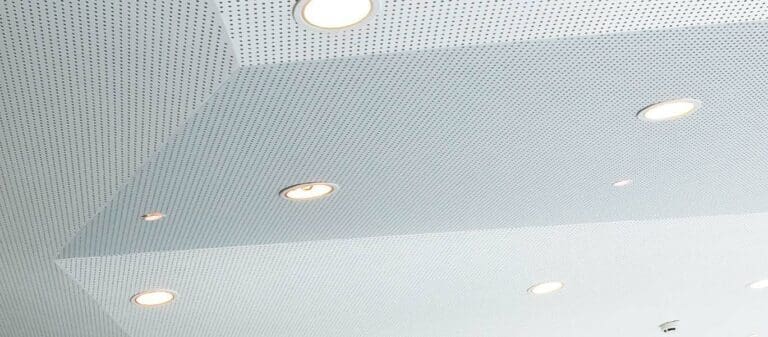
Rigitone™ Matrix 8mm Round
Deliver an aesthetic impact and significantly improve acoustics with Rigitone Matrix 8mm Round. The edge-to-edge pattern layout, unique installation method and benefits of Activ'Air make Rigitone a superior option.
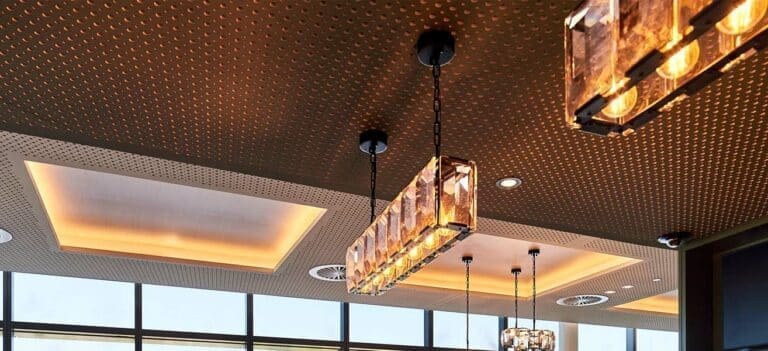
Rigitone™ Astral
Modern seamless design, enhanced acoustic performance and improved air quality thanks to Activ’Air will make Rigitone Astral the star of any project.
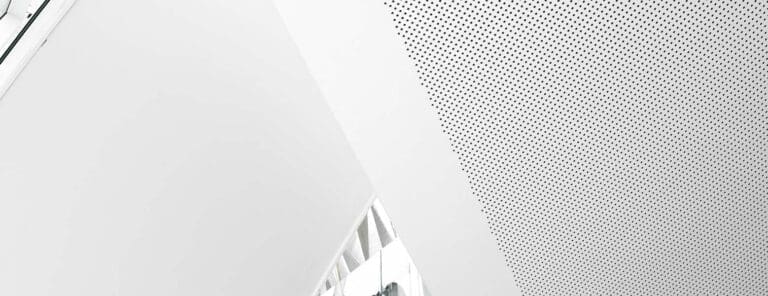
Rigitone™ Matrix 12mm Square
With a 23% open area Rigitone Matrix 12mm Square combines exceptional acoustic performance with modern monolithic design thanks to it's edge-to-edge perforation layout and unique installation method.
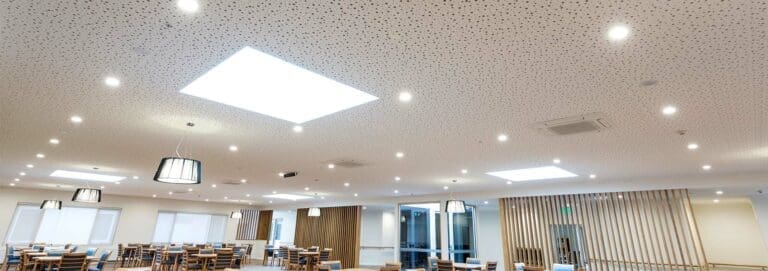
Rigitone™ Galaxy
Rigitone Galaxy’s seamless intricate pattern and acoustic performance is universally appealing to provide sound control and an arresting aesthetic in public areas in commercial buildings.
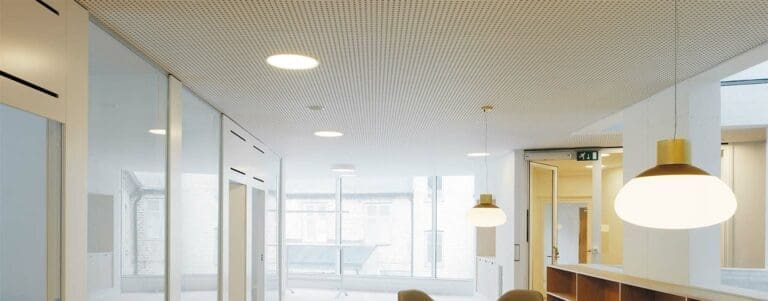
Rigitone™ Matrix 12mm Round
With a 18.1% open area, Rigitone Matrix 12mm Round combines superior acoustic performance with modern design, creating the ultimate ceiling solution for commercial applications.
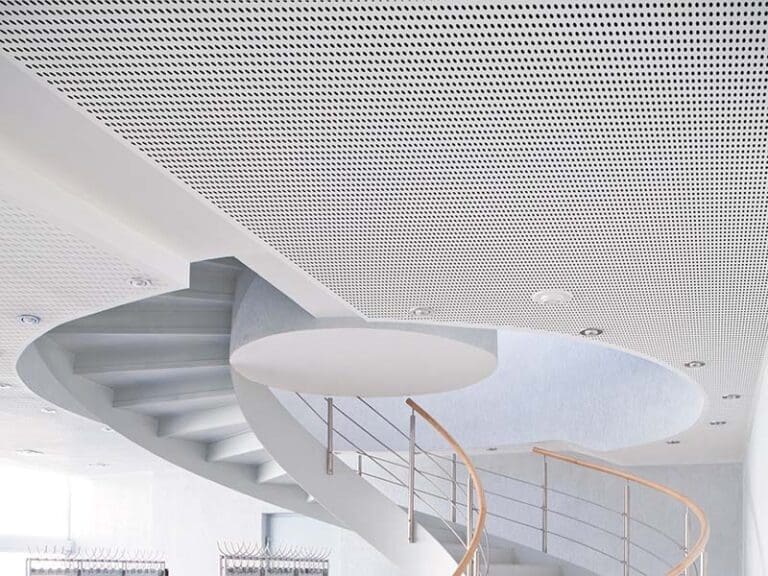
Rigitone™ Matrix 15mm Round
Deliver an aesthetic impact and significantly improve acoustics with Rigitone Matrix 15mm Round. The edge-to-edge pattern layout, unique installation method and benefits of Activ’Air make Rigitone a superior option.
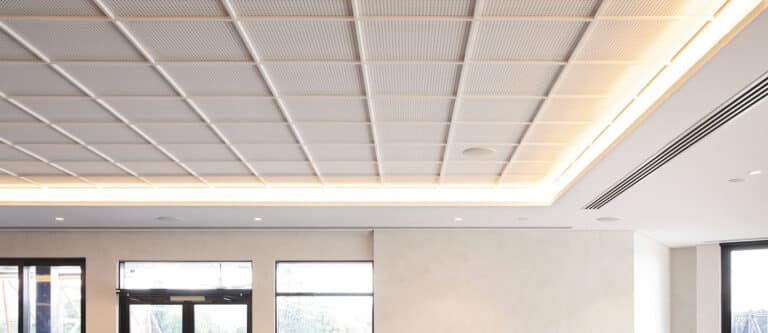
Rigitone ™™ Matrix 8mm Square
With a 19.8% open area Rigitone Matrix 8mm Square combines exceptional acoustic performance with modern monolithic design thanks to it’s edge-to-edge perforation layout and unique installation method.
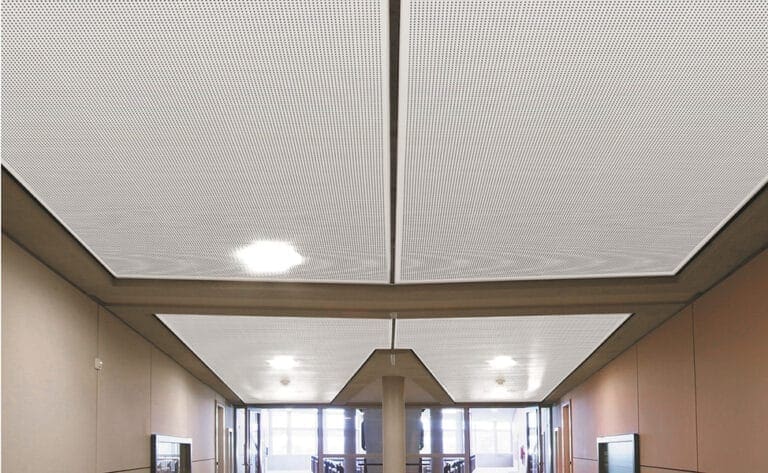
Rigitone ™ Matrix 10mm Round
Deliver an aesthetic impact and significantly improve acoustics with Rigitone Matrix 10mm Round. The edge-to-edge pattern layout, unique installation method and benefits of Activ’Air make Rigitone a superior option.
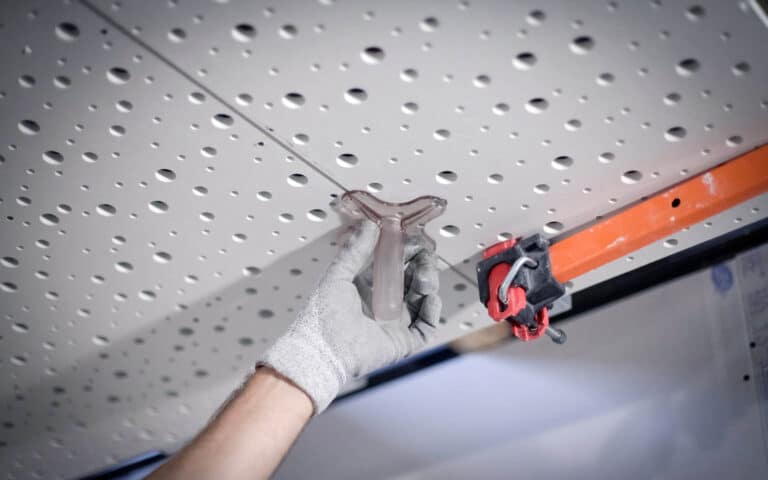
Rigitone™ Jointing System
The unique, seamless finish of Rigitone is made possible by the use of a specialised primer, filler and installation tools.
Gyptone ™ Access Panels
To ensure a seamless look Gyptone Access Panels blend almost imperceptibly into the ceiling with a perforation pattern that matches each of the Gyptone boards.
Rigitone™ Access Panels
To maintain an almost seamless look Rigitone Access Panels blend almost imperceptibly into the ceiling with a perforation pattern that matches each of the Rigitone boards.
PERTH'S FIBRE CEMENT EXPERTS | Request a free Quote from our Experts


