
Wet-Area Linings That Handle Perth's Wet Season: Aquachek vs Villaboard vs Fyrchek MR
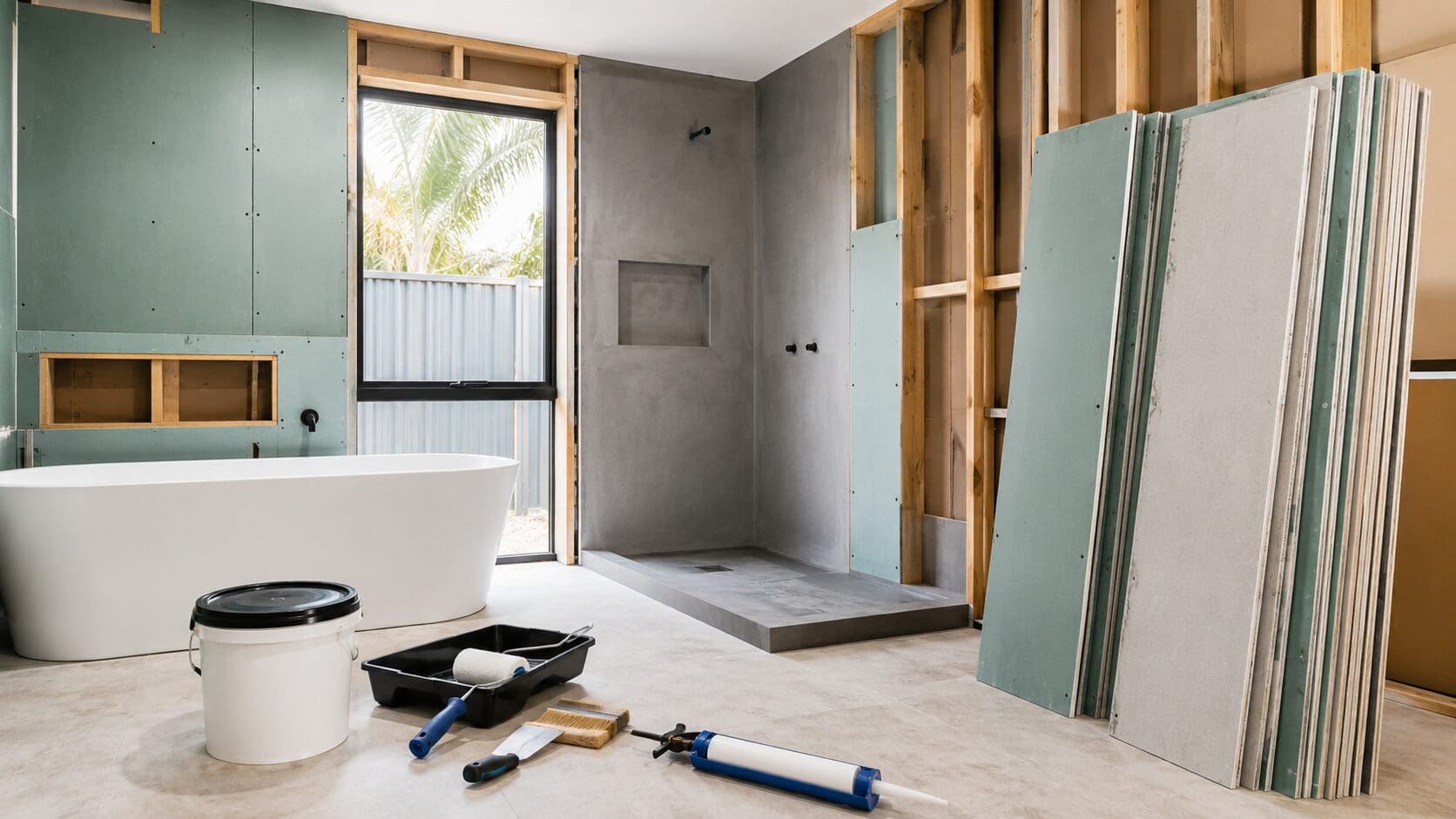
Wet area lining Perth builders choose should be based on the room, moisture exposure, finish, compliance requirements, and how the wall will be used. Bathrooms, laundries, kitchens, toilets, and utility spaces all deal with water differently. Some need moisture resistant plasterboard. Some need fibre cement. Some need a lining that also contributes to fire performance.
Three common names that come up in wet-area discussions are Aquachek, Villaboard, and Fyrchek MR. They are not interchangeable labels for the same job. Each belongs in a different decision pathway, and choosing the right one early can help avoid rework once waterproofing, tiling, cabinetry, or fixtures are underway.
Wet Area Lining Perth Projects Should Start With Exposure
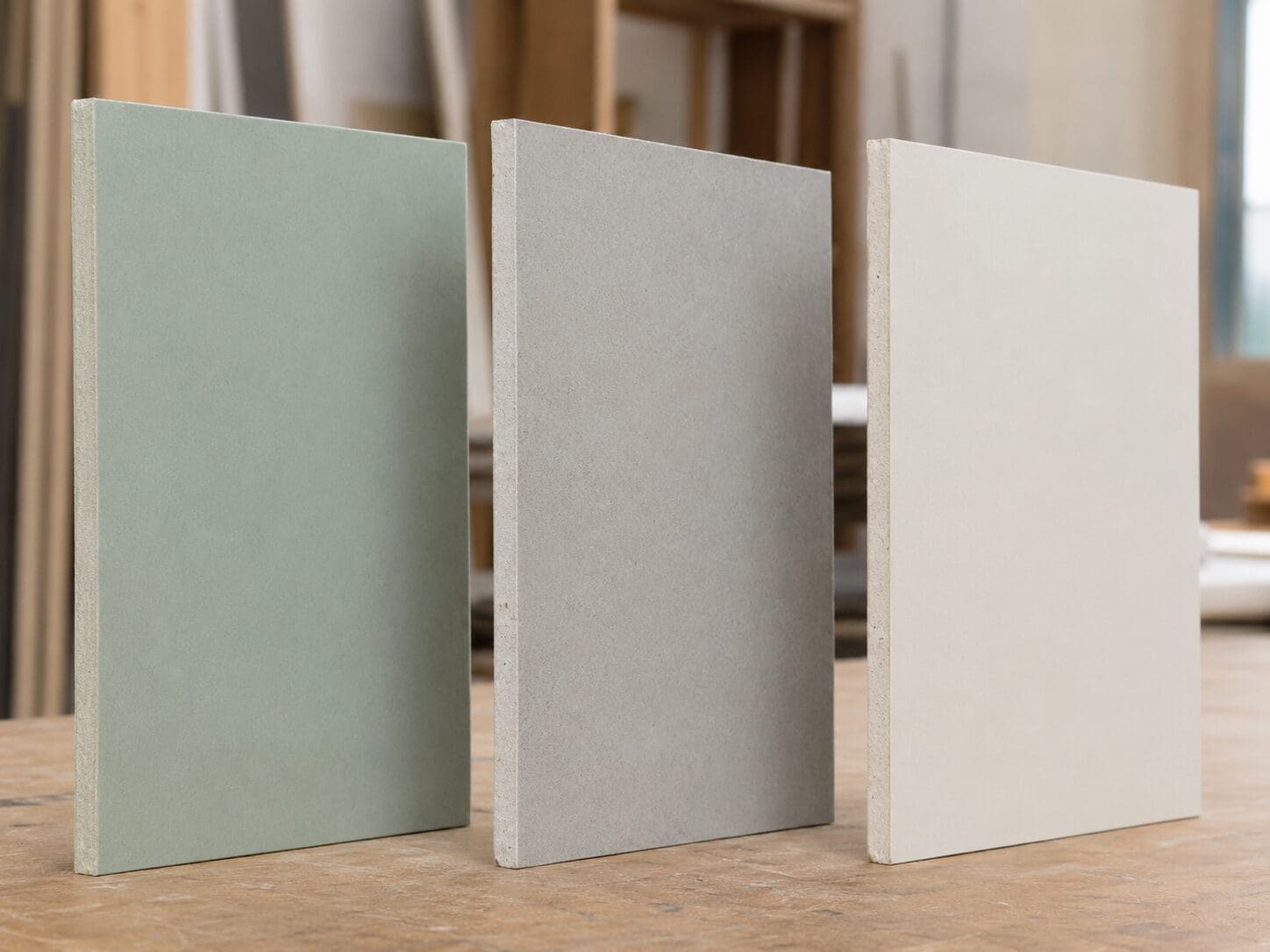
The first question is not which board is cheapest. The first question is how much moisture the wall will see. A bathroom wall outside the shower zone, a laundry splashback, and a fully tiled shower wall all place different demands on the lining system. A wall behind a vanity may need a different approach from a shower wall that will carry waterproofing, adhesive, tiles, and fixtures.
Builders should also consider whether the wall will be painted, tiled, exposed to impact, used behind fixtures, or located in a multi-residential setting with acoustic or fire requirements. Homeowners should avoid choosing a lining based only on a product name they have heard before. The better question is what the room needs the complete lining system to do.
Quick Comparison: Aquachek vs Villaboard vs Fyrchek MR
| Product pathway | Best-fit wet-area use | Key decision point |
| Aquachek-style moisture resistant plasterboard | Internal bathrooms, laundries, and humid areas where a plasterboard lining system is suitable. | Choose it when moisture resistance is needed but the project does not call for a tougher fibre cement substrate or a fire-rated wet-area system. |
| Villaboard-style fibre cement lining | Tiled wet areas, high-use bathrooms, and walls where impact resistance and dimensional stability matter. | Choose it when the wet area needs a robust substrate and the installation team is ready for fibre cement fixing, cutting, jointing, and waterproofing details. |
| Fyrchek MR-style board | Specified systems needing both moisture resistance and fire performance. | Choose it when documentation calls for fire-rated performance as well as wet-area suitability. |
Where Aquachek-Style Moisture Resistant Plasterboard Fits
Moisture resistant plasterboard is often used for internal wet-area walls and ceilings where standard board is not suitable. It is designed to offer better moisture resistance while still being part of a plasterboard lining system. It can be a practical choice for bathrooms, laundries, and other humid internal areas when installed with the correct waterproofing and finishing system.
The key point is that moisture resistant plasterboard does not replace waterproofing where waterproofing is required. It supports the wall system, but the full installation still needs to follow manufacturer guidance and relevant building requirements. It also needs the right jointing, sealing, ventilation, and finishing choices so the whole room performs as intended.
Where Villaboard-Style Fibre Cement Lining Fits
Fibre cement linings such as Villaboard are often chosen for demanding wet-area applications, tiled walls, high-use bathrooms, and areas where impact resistance and dimensional stability are important. Fibre cement behaves differently from plasterboard, so fixing methods, cutting, jointing, waterproofing, and finishing all need to be considered as part of the system.
For builders, fibre cement can be a strong option when the wet area needs a robust substrate. For homeowners, it is worth asking whether the extra performance is needed for the specific room and finish rather than assuming every wet wall needs the same sheet. Manufacturer product information, such as resources from James Hardie, can help clarify product-specific installation requirements.
Where Fyrchek MR-Style Boards Fit
Fyrchek MR-style products are considered when moisture resistance and fire performance both matter. This can be relevant in apartments, townhouses, garages, service areas, or wall systems where project documentation calls for specific fire-rated performance as well as moisture resistance. In these situations, the wet-area board is part of a documented wall system, not a casual substitution.
This is where guessing can become expensive. If fire, acoustic, or moisture requirements are specified, builders should match the board to the documented system. Substituting products without checking the system can create compliance and performance issues. When in doubt, confirm the specified board, framing, fixings, insulation, sealants, and installation sequence before the order is placed.
How To Choose The Right Board
Use moisture resistant plasterboard when the project needs an internal plasterboard lining with improved moisture resistance. Use fibre cement when the wet area needs a tougher substrate, particularly for tiled areas or higher-demand spaces. Use fire and moisture resistant board where the wall system requires both types of performance.
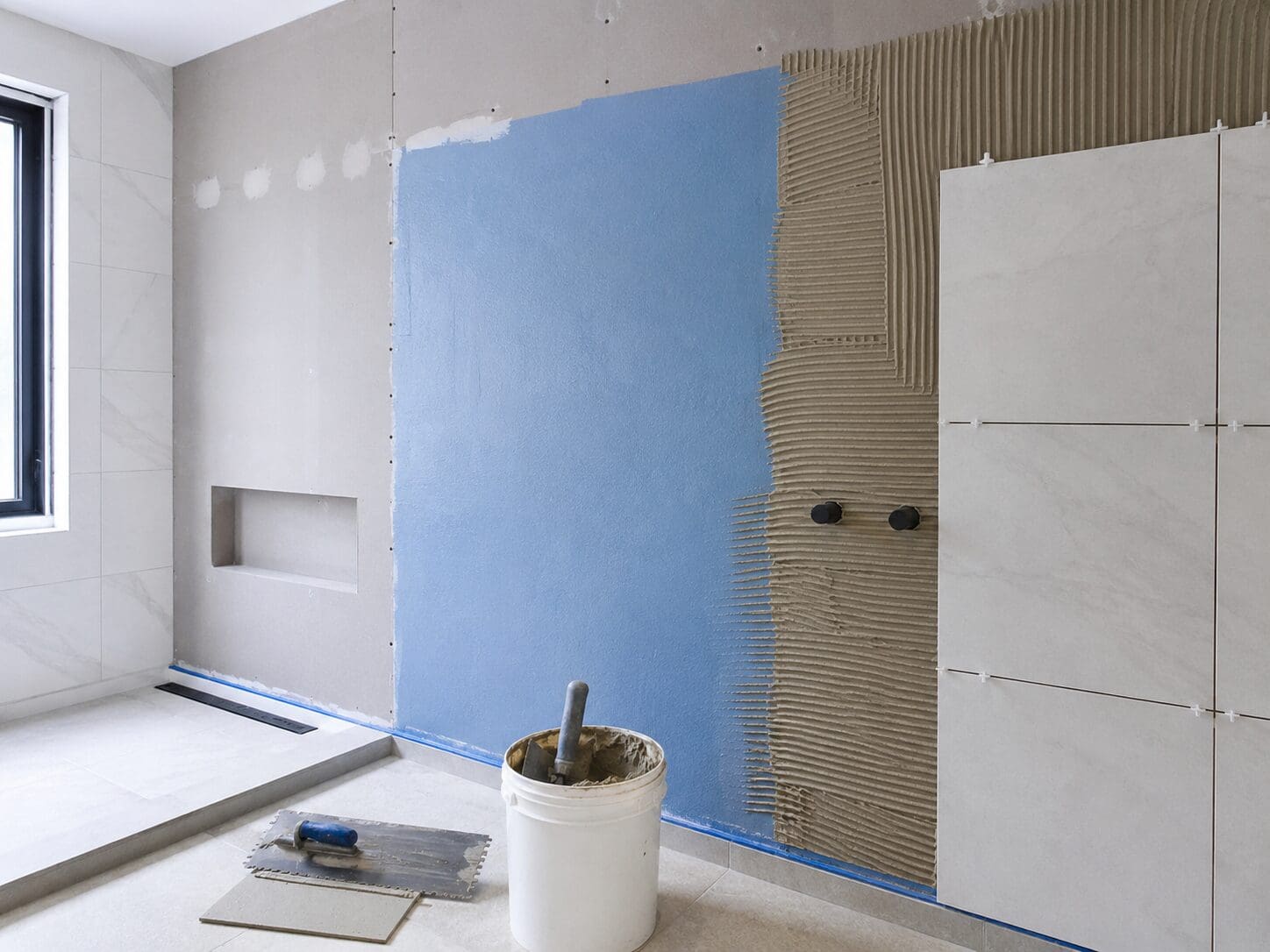
The final decision should consider waterproofing, tile weight, framing, fixing, jointing compounds, ventilation, and the manufacturer's installation instructions. A wet-area wall is a system, not a single sheet. If the waterproofing schedule, tile plan, or fire rating is already locked in, the lining needs to match those requirements rather than force changes later.
Ordering Wet-Area Linings Before Winter
Perth winter projects often put wet areas on the critical path because waterproofing, tiling, cabinetry, plumbing fit-off, painting, and final clean all depend on the wall lining being ready. Ordering the correct board early helps avoid delays after framing is complete. It also gives the builder time to check sheet sizes, access, storage, compatible compounds, fasteners, sealants, and delivery timing.
- Confirm whether the wall will be painted, tiled, or used behind fixtures.
- Check whether the project needs moisture resistance, fibre cement durability, fire performance, acoustic performance, or a combination of these requirements.
- Review manufacturer installation details before changing board type or substituting products.
- Plan waterproofing, jointing, fixings, tile weight, ventilation, and delivery as one system.
Aussie Plasterboard can help Perth builders and renovators compare plasterboard and fibre cement options before ordering. If you are preparing a bathroom, laundry, kitchen, or winter renovation, choose the wet-area lining before the waterproofing schedule and tile plan are locked in. For help checking the right lining pathway for your project, contact Aussie Plasterboard before materials are ordered.


