
Is Your Ceiling Insulation Working Hard Enough? A Pre-Winter R-Value Checklist for WA Homes
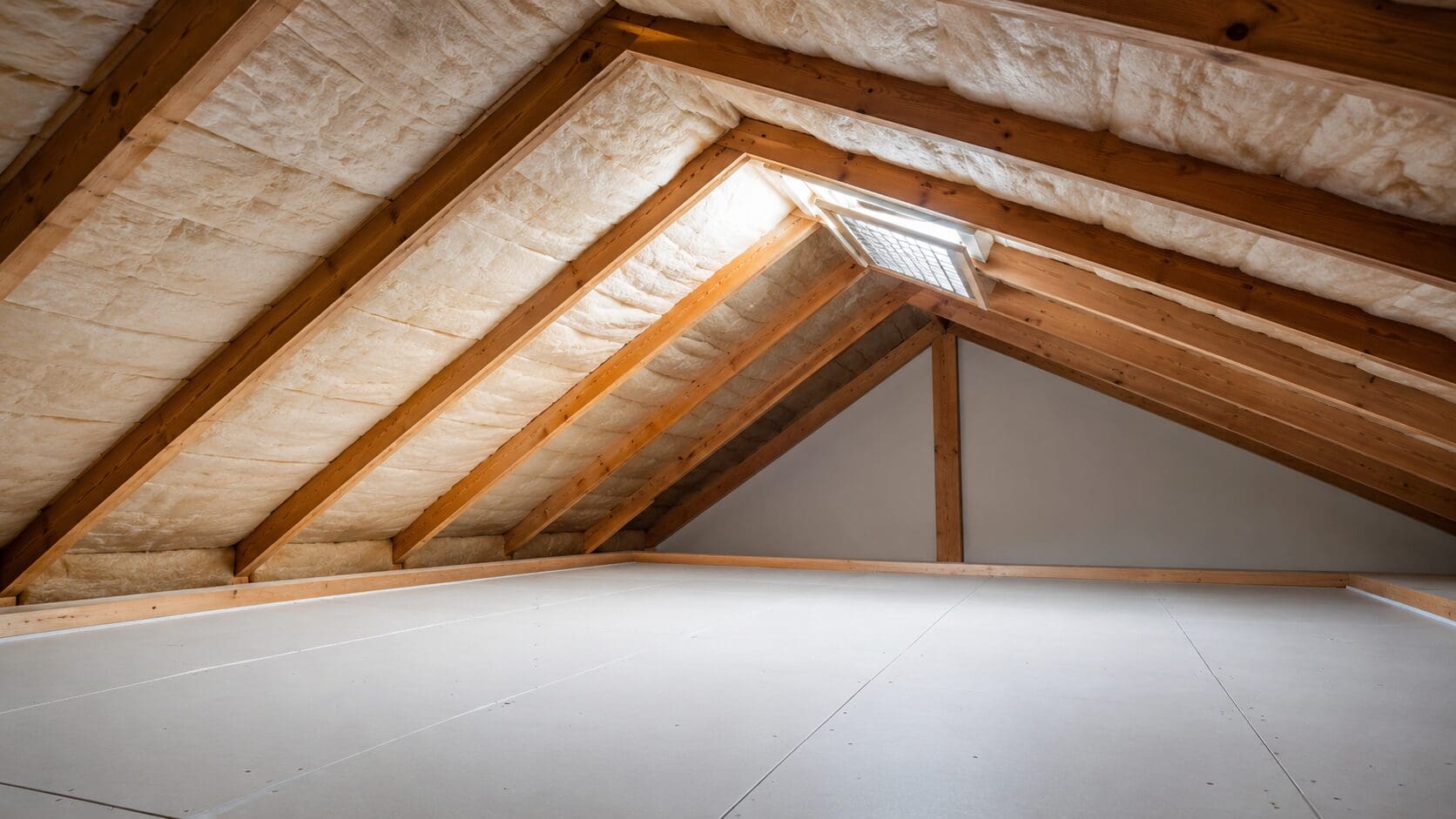
Ceiling insulation Perth homes rely on does its hardest work when temperatures drop. In many WA homes, the ceiling is one of the biggest opportunities to improve winter comfort because warm air naturally rises. If the roof space is under-insulated, patchy, or poorly installed, heating has to work harder and rooms can feel colder for longer.
The good news is that a pre-winter check does not have to be complicated. Builders, renovators, and homeowners can use a simple R-value and coverage checklist to decide whether existing insulation is still performing, whether an upgrade is worth planning, and what materials should be ordered before winter demand peaks.
What R-value means for ceiling insulation Perth projects
R-value measures resistance to heat flow. The higher the R-value, the better the insulation layer resists heat moving through it. In winter, good ceiling insulation helps slow heat loss through the ceiling. In summer, it also helps reduce heat entering from the roof space.
For Perth projects, R-value selection should be based on the building type, roof construction, energy requirements, and applicable compliance needs. Builders should check current project specifications and NCC requirements. Homeowners planning a practical upgrade should speak with their builder or supplier about the right R-value for their home rather than copying what a neighbour used. The Australian Government's YourHome insulation guidance is also a useful reference for understanding how insulation works as part of passive design.
1. Look for full coverage
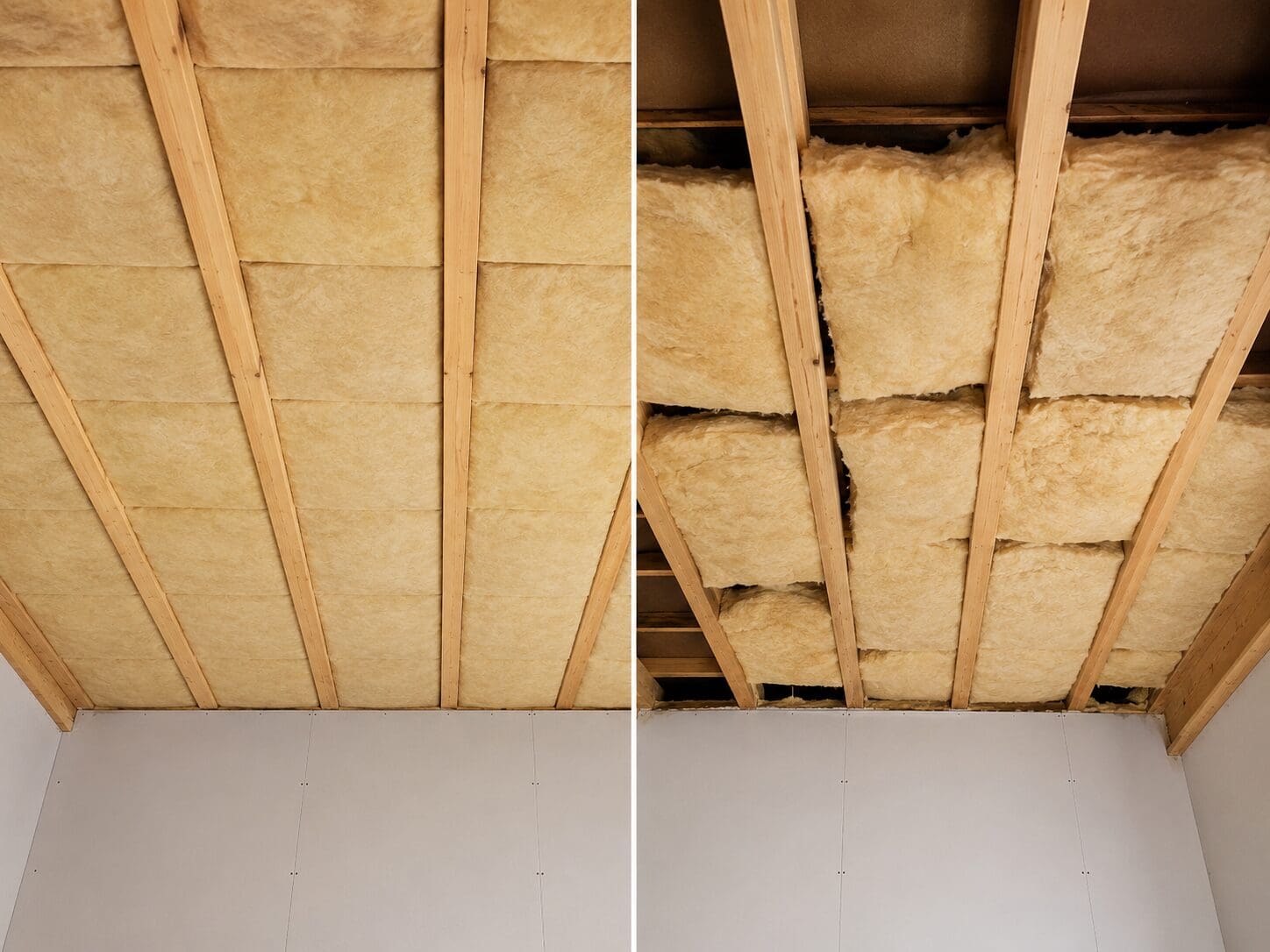
The best insulation product cannot work properly if it is missing from sections of the ceiling. Gaps around ceiling edges, service penetrations, exhaust fans, manholes, or difficult corners can create weak points. Even small gaps repeated across a ceiling can reduce overall performance.
If you are inspecting an existing roof space, look for visible plasterboard between batts, uneven coverage, or areas where batts have been moved and never replaced. For new builds, make sure insulation is planned around services early, not treated as an afterthought.
2. Check for compression
Insulation works by trapping still air within its structure. When batts are compressed, squashed under stored items, or forced into tight spaces, performance can drop. A batt that looks present may not be performing to its rated R-value if it has been crushed.
This is common in roof spaces where trades have moved through after installation or where storage boards have been placed directly over insulation. If storage is needed, it should be planned safely without compressing the insulation layer.
3. Review moisture and staining
Insulation that has been exposed to leaks, heavy condensation, or water staining should be inspected carefully. Damp insulation can lose performance and may indicate a roof, ventilation, or condensation issue that needs attention before replacement.
Do not simply add new insulation over a moisture problem. Find the source first. This could include roof leaks, damaged flashing, bathroom exhaust issues, or poor roof-space ventilation.
4. Confirm downlight and service clearances
Ceiling insulation must be installed safely around electrical services, downlights, exhaust fans, and other penetrations. Builders and installers should follow product requirements, electrical safety rules, and project specifications. Homeowners should avoid moving batts around electrical items without advice.
A good insulation upgrade is not just about adding more material. It is about installing the right material safely and continuously.
5. Think about timing and supply
Winter is when many homeowners suddenly notice uncomfortable rooms. That can make insulation demand more urgent. Builders and owner-builders should plan ceiling batts, wall batts, foils, membranes, plasterboard, and fixings early so materials are ready when the site is ready.
Aussie Plasterboard can help Perth builders and homeowners source insulation and related lining materials for winter projects. If your ceiling insulation is patchy, compressed, damp, or under-specified, a pre-winter review can save time before the coldest weeks arrive.


