
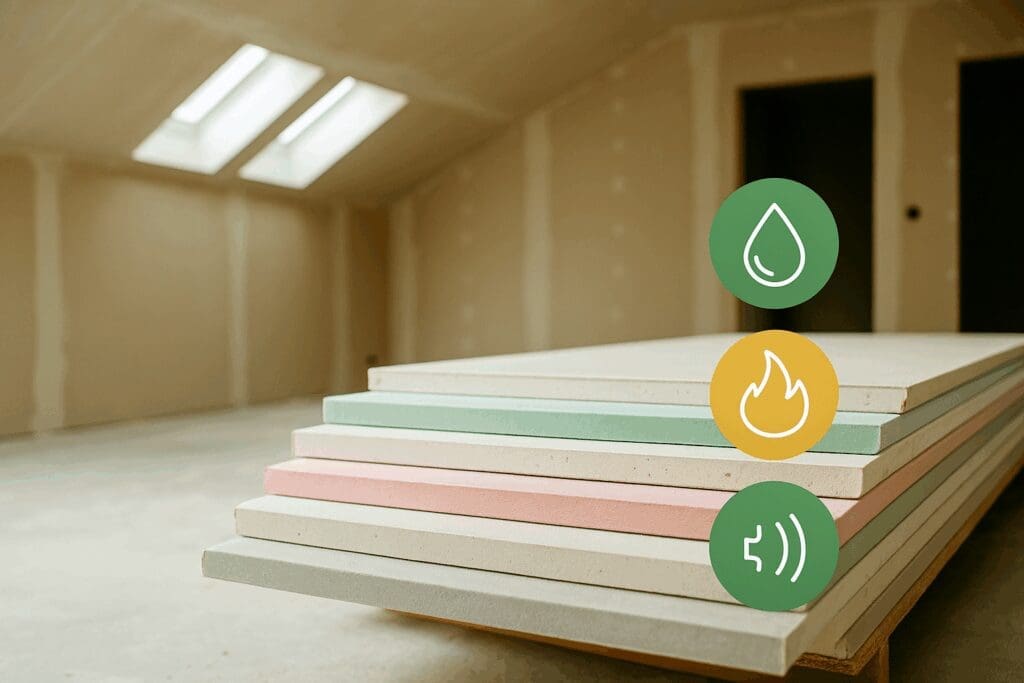
What Is Plasterboard? Types, Benefits & How It Affects Insulation
Plasterboard — sometimes spelled plaster board — is one of the most widely used building materials in Australian construction. Found in almost every home and commercial space across Perth and wider WA, it’s the material behind most interior walls and ceilings. But what exactly is plasterboard? What are the different types available? And how does it impact thermal and acoustic insulation?
In this guide, we’ll break down everything you need to know about plasterboard — from its composition and benefits to how it plays a key role in energy efficiency, fire resistance, and soundproofing.
What Is Plasterboard?
Plasterboard is a flat building panel made of a gypsum core encased in thick paper. Also known as gypsum board, drywall, or gyprock (a popular brand in Australia), it provides a smooth finish ready for painting or tiling.
Instead of traditional wet plastering, plasterboard sheets are quickly affixed to timber or metal framing and then joined, filled, and sanded — creating a seamless wall or ceiling surface.
Types of Plasterboard in Australia
Choosing the right type of plasterboard for your space is essential, especially if you're dealing with wet areas, fire rating requirements, or soundproofing. Here's a closer look at the most common plasterboard types:
1. Standard Plasterboard
Used for: Internal walls and ceilings in dry areas.
Standard plasterboard is lightweight, easy to install, and perfect for general-purpose use. It typically comes in 10mm or 13mm thicknesses and is the most cost-effective wall lining solution.
If you’re planning to paint directly over standard boards, see our detailed guide to painting on plasterboard for best practices and preparation tips.
2. Moisture-Resistant Plasterboard (Wet Area Board)
Used for: Bathrooms, laundries, kitchens, and wet zones.
This type of plasterboard is specifically designed for high-moisture environments and includes water-repellent properties. It's ideal behind tiles in areas prone to humidity.
For a deeper dive into waterproofing practices and selecting the right product, read our blogs:
If you're using fibre cement alternatives like James Hardie Villaboard, these are also suitable for wet areas and provide excellent durability and tile support.
3. Fire-Resistant Plasterboard
Used for: Fire-rated walls in units, garages, commercial buildings, and multi-storey projects.
Fire-rated plasterboard includes additives like glass fibre to enhance fire resistance. These boards can form part of a certified fire-rated system under the NCC.
Learn more about fire performance and compliance in our article on Gyprock Fyrchek Fire Rated Walls.
4. Acoustic Plasterboard
Used for: Apartments, media rooms, shared walls.
This high-density plasterboard reduces sound transfer and is often paired with acoustic insulation. It’s essential in settings where privacy and noise control are priorities.
5. Impact-Resistant Plasterboard
Used for: Schools, corridors, and high-traffic commercial areas.
This reinforced board withstands knocks and dents better than standard gyprock, making it suitable for areas subject to frequent contact or damage.
6. Flexible Plasterboard
Used for: Curved walls, bulkheads, and decorative features.
Flexible plasterboard can be bent and shaped for creative applications without cracking, perfect for modern architectural designs.
Key Benefits of Plasterboard
Whether you're renovating, building new, or upgrading specific rooms, plasterboard offers a range of benefits:
Fast and Efficient Installation
Large sheets can be installed quickly, saving time and labour compared to traditional plastering.
Economical
Plasterboard is a budget-friendly wall and ceiling lining option that still offers high performance when used with the correct system.
Smooth Finish for Paint and Tiles
Once joints are finished and sanded, it creates a flat surface ready for painting or tiling. For the best results, explore our expert tips on prepping and painting plasterboard walls.
Fire Performance
Fire-rated plasterboard options are available for high-risk areas, offering extra protection and NCC compliance.
Acoustic Control
Specialty boards combined with acoustic insulation can significantly reduce sound transfer between rooms or dwellings.
Thermal Efficiency
Paired with insulation, plasterboard supports energy-efficient home design by reducing heat loss or gain through walls and ceilings.
How Plasterboard Affects Insulation
While plasterboard on its own has limited insulating ability, it plays a crucial role in the overall thermal and acoustic performance of a building.
1. Thermal Envelope Enhancement
Plasterboard adds to the overall effectiveness of your home's insulation. When used in combination with ceiling and wall batts, it helps regulate indoor temperatures. Read our full Ceiling Insulation Guide for product selection and installation tips.
2. Improved Sound Insulation
Acoustic plasterboard works with soundproof insulation to minimise noise transmission. This is especially important in multi-residential builds or family homes with multiple living zones.
3. Air Tightness and Moisture Control
When properly sealed at joints, penetrations, and edges, plasterboard helps prevent air leaks. This can improve the performance of insulation and reduce draughts. In wet areas, using water-resistant boards and proper waterproofing systems prevents mould and moisture-related damage.
4. Thermal Bridging Reduction
Plasterboard helps cover structural elements that may conduct heat (like metal framing), reducing thermal bridging when combined with cavity insulation and foil wraps.
Plasterboard vs Alternative Wall Linings
Here’s how plasterboard compares with other commonly used interior linings:
| Material | Best Use | Pros | Considerations |
| Plasterboard | General interior walls/ceilings | Affordable, smooth finish, versatile | Not waterproof unless treated |
| Villaboard | Wet areas, tiled walls | Durable, moisture resistant, great tile base | Heavier, requires more labour |
| Fibre Cement Sheet | Wet zones, exteriors | Long-lasting, weatherproof | More expensive, tougher to cut |
| Timber Lining Board | Decorative finishes | Warm, natural look | Higher cost, requires sealing |
For wet areas, always select the appropriate moisture-resistant product and follow the latest waterproofing practices, as outlined in our blog on shower waterproofing with plasterboard.
Environmental Benefits
Modern plasterboard products have improved significantly in sustainability:
- Many brands now use recycled content in the gypsum core and paper lining.
- Offcuts are recyclable through specialised programs.
- Low VOC emissions improve indoor air quality.
- Plasterboard is lightweight, reducing transportation energy use.
Final Thoughts
Plasterboard remains the number one choice for interior wall and ceiling lining across Australia. From moisture resistance to fire safety and acoustic control, different types of plasterboard serve specific needs. More importantly, it complements your home’s insulation system — helping you stay comfortable all year round while reducing energy costs.
Whether you’re a builder, homeowner, or renovator in Perth, Aussie Plasterboard is here to help. Strategically located in Osborne Park, we service the entire Perth metro area with fast delivery and expert advice. We stock a full range of plasterboard products and accessories from trusted Australian manufacturers.


