
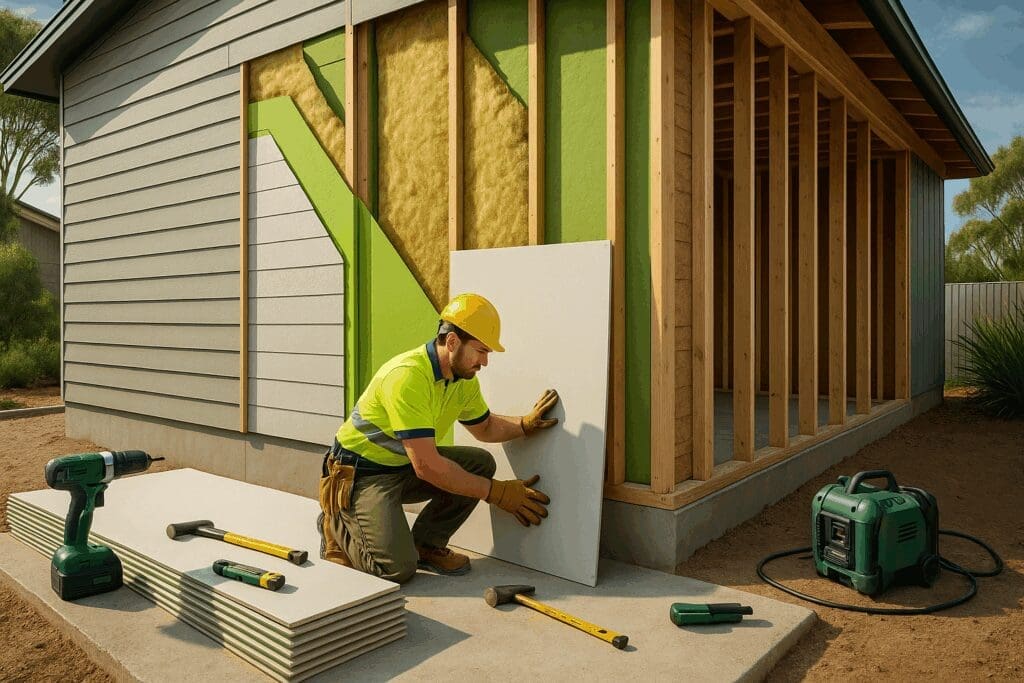
What Makes a Wall System Energy Efficient? A Guide for Builders
With growing demands for sustainable construction and stricter energy efficiency regulations in Australia, the importance of energy efficient wall systems has never been greater. For builders in Perth and across WA, choosing the right wall system isn’t just about compliance—it’s about delivering long-term value, thermal comfort, and reduced running costs for end-users.
In this guide, we explore the essential elements that make a wall system energy efficient, with a focus on wall insulation, airtightness, and smart product selection, particularly fibre cement and plasterboard systems available from Aussie Plasterboard.
Why Energy Efficiency in Wall Systems Matters
Energy efficient homes use less power to heat and cool, leading to lower emissions and reduced energy bills. In WA's hot summers and cool winters, thermal performance is critical. An efficient wall system acts as a barrier against external temperature extremes, maintaining a comfortable internal climate year-round.
For builders, incorporating energy efficiency from the design stage ensures:
- Compliance with NCC 2022 energy provisions
- Better NatHERS ratings
- Stronger client satisfaction and long-term cost savings
- Enhanced market value of the property
Key Components of an Energy Efficient Wall System
1. High-Performance Wall Insulation
Insulation is the foundation of any energy-efficient wall system. It slows the transfer of heat through the building envelope, helping interiors stay warm in winter and cool in summer.
Types of wall insulation include:
- Bulk insulation: e.g. glasswool or polyester batts, commonly installed in stud cavities
- Reflective insulation: helps deflect radiant heat, especially effective in WA’s sunny climate
- Rigid foam boards: used externally in some cladding systems for continuous thermal protection
Tip for builders: Always ensure insulation is installed without gaps or compression, and fits snugly around electrical and plumbing penetrations.
2. Thermal Mass and Wall Linings
Materials with high thermal mass, such as fibre cement sheeting or masonry, can absorb and store heat during the day and release it at night. When paired with the right insulation, this can significantly stabilise indoor temperatures.
Recommended product:
James Hardie™ Villaboard – A fibre cement lining suitable for wet and dry areas, offering excellent durability and thermal performance as part of a wall system.
3. Airtightness and Moisture Control
Uncontrolled air leakage can significantly reduce a building’s thermal efficiency. Cracks, gaps, and poorly sealed junctions allow hot or cold air to bypass insulation, increasing heating and cooling demand.
Best practices:
- Seal all wall penetrations and junctions using foam or flexible sealants
- Use moisture-resistant linings like Gyprock Aquachek to avoid degradation and thermal bridging in wet zones
4. Effective Wall System Design
A well-designed energy efficient wall system involves layering multiple components:
Typical example (from outside to inside):
- External cladding (e.g. fibre cement sheeting or weatherboards)
- Sarking or reflective foil
- Insulation batts in timber or steel framing
- Internal wall lining (e.g. plasterboard or Villaboard)
- Sealants at joints and service penetrations
Each layer plays a role in resisting heat flow, blocking drafts, and preventing moisture ingress.
5. Thermal Bridging Prevention
Thermal bridges occur when heat transfers through wall components like steel studs or poorly insulated junctions. Builders can reduce this by:
- Using timber framing or thermally broken steel studs
- Installing continuous insulation outside the frame
- Ensuring internal linings butt cleanly and are sealed
Product Options from Aussie Plasterboard
At Aussie Plasterboard, we supply a full range of wall linings and cladding systems that contribute to energy efficient wall design.
Fibre Cement Cladding Systems
Tough, weather-resistant, and thermally stable. Ideal for external wall cladding in Perth’s climate.
→ Read more: External Wall Cladding Options
Moisture and Fire Rated Plasterboard
From Gyprock Fyrchek to Aquachek, these boards maintain thermal and acoustic performance under harsh conditions.
Wall Systems for Wet Areas
Wet zones like bathrooms can undermine insulation if linings fail. Villaboard offers strong water resistance while maintaining thermal integrity.
Design Tips for Builders
- Orient buildings for passive solar gain
Design walls to receive winter sun and shade from summer heat - Choose wall systems suited to Perth’s climate
Perth’s heat and dry conditions favour breathable, reflective and insulated systems - Pre-plan for services
Avoid cutting or compressing insulation to run services like electrical or plumbing - Use compliant and tested materials
Always select NCC-compliant wall systems with known R-values and installation standards
Final Thoughts
Energy efficient wall systems are no longer optional—they’re a must for modern builders focused on comfort, sustainability, and long-term performance. With the right products and design practices, walls can become active contributors to a home’s thermal performance, not just passive barriers.
For expert advice or to source premium products for your next build in Perth, visit or contact Aussie Plasterboard in Osborne Park.We stock and supply Mineral Fibre acoustic tiles, Gyprock Ceiling tiles and Autex Quietspace panels where acoustic resistance is required.


